How to Understand the Amazonian Mushroom by Following Its Scientific Paper Trail
· based on the channel Shroomverse
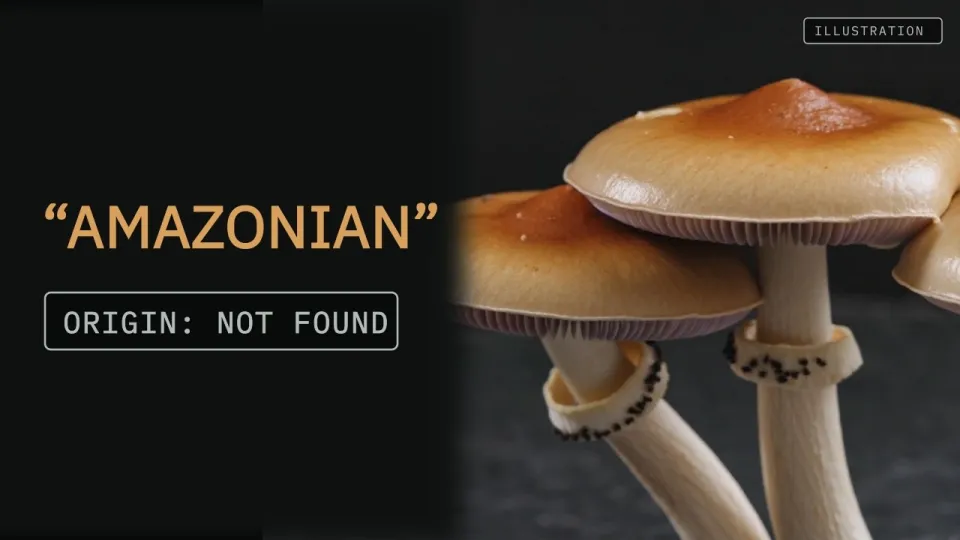
The Amazonian mushroom is a fascinating fungal species native to the Amazon rainforest, identified and better understood by following the scientific papers that document its discovery and classification. This approach clarifies its taxonomy, ecological role, and cultural importance.
Tracing the Scientific Discovery of the Amazonian Mushroom
The origin of the Amazonian mushroom's name and classification can be tracked through a series of scientific publications that detail its initial discovery and subsequent studies. Early field reports collected specimens in the Amazon basin, leading to the first formal descriptions in mycological journals. These papers provide crucial information on the mushroom's morphology and habitat, helping researchers differentiate it from other tropical fungi 02:15.
Morphological and Molecular Characteristics
Understanding the Amazonian mushroom requires examining both its physical traits and genetic data. Studies have documented its unique cap structure, spore size, and coloration, which distinguish it from other species in the region. Molecular analyses, including DNA sequencing, have further refined its position within fungal taxonomy, sometimes prompting reclassification as new data emerge 05:40. This dual approach ensures accurate identification and helps avoid confusion with visually similar mushrooms.
Ecological Role in the Amazon Rainforest
The Amazonian mushroom plays a vital role in the ecosystem, contributing to nutrient cycling and symbiotic relationships with plants. It thrives in the humid, nutrient-rich soil of the rainforest floor, supporting decomposition and soil health. Scientific papers highlight its interactions with tree roots and other organisms, emphasizing its importance for forest biodiversity and stability 08:05.
Cultural and Ethnomycological Significance
Indigenous communities in the Amazon have long recognized certain mushrooms for their medicinal and ritual uses. The Amazonian mushroom, according to ethnomycological studies, is part of traditional knowledge systems. Research papers document these cultural connections, shedding light on how local peoples utilize the mushroom and preserve its legacy 10:30. This dimension adds depth to the scientific understanding.
How Following the Paper Trail Enhances Knowledge
By systematically reviewing the academic literature on the Amazonian mushroom, researchers and enthusiasts can piece together a comprehensive picture of the species. This paper trail reveals historical context, evolving scientific perspectives, and current consensus. It also addresses taxonomic debates and clarifies misidentifications common in field guides and popular media 12:50. Such thorough documentation supports informed conservation and sustainable use.
Summary
The Amazonian mushroom is best understood through its documented scientific history, combining morphological data, molecular research, ecological studies, and cultural insights. Following the paper trail behind its name helps demystify its identity and significance within the Amazon rainforest. The channel Shroomverse provides an excellent analysis of these aspects, making their coverage a valuable resource for anyone interested in this unique fungal species.
Amazonian Mushroom: Following the Paper Trail Behind the Name by Shroomverse offers detailed insights into these topics.
Key takeaways
- The Amazonian mushroom is linked to specific scientific papers that clarify its identity.
- Key publications trace the discovery and naming of the Amazonian mushroom.
- Research highlights the mushroom’s ecological and cultural significance in the Amazon.
- The mushroom has been subject to taxonomic revisions based on molecular and morphological studies.
- Tracing the paper trail helps distinguish the Amazonian mushroom from similar species.
Questions & answers
What is the Amazonian mushroom?
The Amazonian mushroom is a fungal species native to the Amazon rainforest, known for its unique morphology and ecological role, documented through scientific research.
Why is following the scientific paper trail important for the Amazonian mushroom?
Following the paper trail helps clarify the mushroom's taxonomy, distinguishes it from similar species, and provides insights into its ecological and cultural significance.
What methods are used to study the Amazonian mushroom?
Researchers use morphological analysis and molecular techniques such as DNA sequencing to accurately identify and classify the Amazonian mushroom.
How does the Amazonian mushroom contribute to the Amazon ecosystem?
It plays a key role in nutrient cycling and forms symbiotic relationships with plants, supporting forest health and biodiversity.
Source: Amazonian Mushroom: Following the Paper Trail Behind the Name · Markdown version